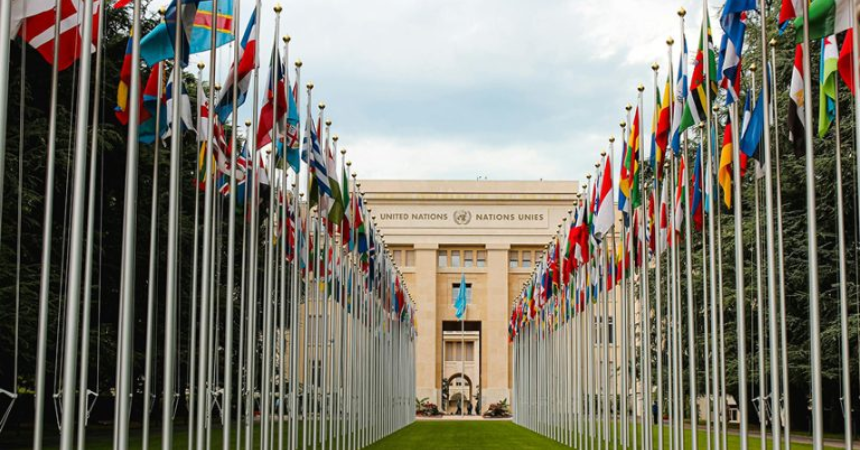
International organizations have become indispensable actors in managing global crises, coordinating responses to emergencies that transcend national borders and require collective action that individual nations cannot provide alone.
The Coordinating Framework
The United Nations system forms the backbone of international crisis response, with specialized agencies addressing different dimensions of emergencies. The World Health Organization leads responses to pandemics and health crises, coordinating information sharing, establishing protocols, and distributing medical resources. The UN High Commissioner for Refugees manages displacement crises, providing shelter, food, and protection to millions fleeing conflict and disaster. The World Food Programme delivers emergency food assistance to famine-stricken regions, while UNICEF focuses on protecting children caught in humanitarian emergencies.
These organizations provide neutral platforms where nations can coordinate despite political tensions, pooling resources and expertise that amplify effectiveness beyond what any single country could achieve. They maintain emergency stockpiles, deploy rapid response teams, and establish standardized protocols that enable swift, coordinated action when disasters strike.
Humanitarian Response and Relief
International organizations excel at mobilizing humanitarian assistance during acute crises. When earthquakes devastate communities, hurricanes flatten cities, or conflicts displace populations, organizations like the International Federation of Red Cross and Red Crescent Societies coordinate rescue operations, medical care, and emergency supplies. Their established logistics networks, pre-positioned supplies, and trained personnel enable response within hours of disaster striking.