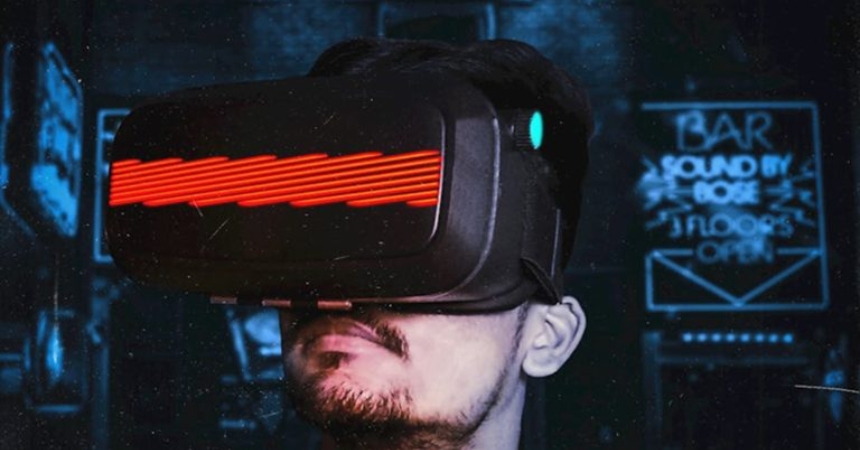
Virtual reality is fundamentally transforming how we create, experience, and interact with art. Artists now wield VR headsets and motion controllers as digital brushes, painting in three-dimensional space and sculpting immersive environments that viewers can physically walk through rather than simply observe from a distance.
Museums and galleries have embraced VR to democratize access to masterpieces, allowing people anywhere in the world to stand in virtual replicas of the Louvre or explore ancient ruins without leaving home. This technology has proven especially valuable for preserving culturally significant sites threatened by conflict or climate change, creating permanent digital archives that future generations can experience.
The medium has birthed entirely new art forms that blur boundaries between creator and audience. Interactive VR installations respond to viewers’ movements and choices, making each person’s experience unique and participatory. Artists like Laurie Anderson and Marina Abramović have pioneered VR pieces that immerse audiences in dreamlike narratives impossible to achieve through traditional media.
Commercial opportunities have expanded dramatically as well. Digital galleries host VR exhibitions where collectors purchase NFTs and virtual artworks, while emerging artists gain platforms that don’t require expensive physical studio space. Art education has similarly evolved, with students practicing techniques in risk-free virtual environments and studying masterworks up close in ways physical museums could never permit.