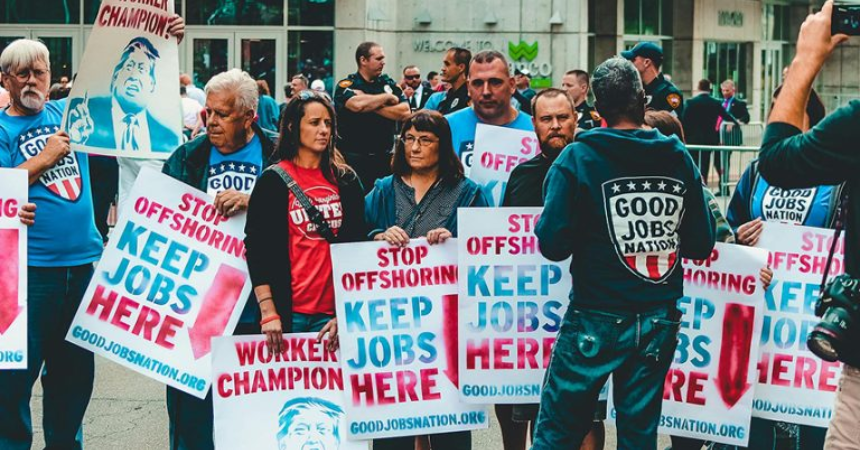
The Election 2025 campaign trail is being shaped by a wide range of political, economic, and social issues that reflect the changing priorities of voters. As nations face rapid technological advancement, economic uncertainty, and evolving social expectations, political parties and candidates are focusing their campaigns on concerns that directly affect everyday life. The election environment in 2025 is marked by increased public awareness, digital engagement, and a demand for accountability and transparency from political leadership.
Economic stability remains one of the most dominant issues influencing the campaign trail. Rising living costs, employment opportunities, inflation, and income inequality are central topics in political debates. Voters are closely examining how candidates plan to strengthen the economy, support small businesses, and create sustainable job opportunities. Economic policies related to taxation, welfare programs, and industrial growth are being discussed extensively as citizens seek financial security and long-term prosperity.
Social welfare and public services are also shaping election narratives. Issues such as healthcare access, education quality, and social security systems are receiving significant attention. Many voters are concerned about the affordability and effectiveness of healthcare services, especially in the aftermath of global health challenges. Education reform, skill development, and youth employment are equally important, as younger populations demand opportunities that align with modern workforce needs.
Climate change and environmental sustainability have emerged as major election issues in 2025. Increasing awareness of climate-related disasters, pollution, and resource depletion has pushed environmental policy to the forefront of political discussions. Voters are evaluating candidates based on their commitment to renewable energy, climate resilience, and sustainable development. Environmental responsibility is no longer seen as a secondary concern but as a critical factor influencing long-term national and global well-being.