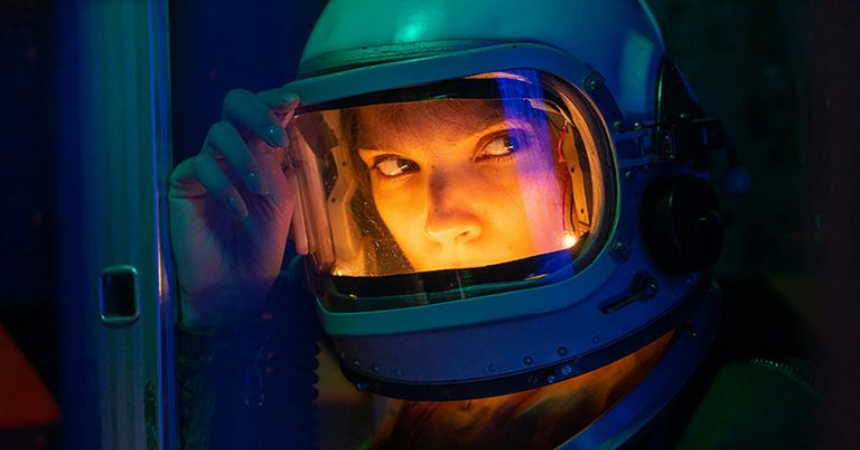
Space exploration in the 21st century stands at a pivotal moment, caught between unprecedented technological capabilities and formidable obstacles that test the limits of human ingenuity, endurance, and resources.
The sheer cost of space missions remains a primary barrier despite falling launch prices. While companies like SpaceX have dramatically reduced costs through reusable rockets, deep space exploration still demands billions of dollars in investment. NASA’s Artemis program to return humans to the Moon carries a price tag exceeding $90 billion, and a crewed Mars mission would cost exponentially more. Securing sustained funding across political administrations and economic cycles proves challenging when immediate earthly concerns compete for attention and resources.
The human body presents profound challenges for long-duration spaceflight. Astronauts experience muscle atrophy, bone density loss, vision problems, and increased radiation exposure that current shielding cannot fully prevent. Cosmic radiation on a Mars journey could significantly increase cancer risk, while the psychological toll of isolation in confined spaces for months or years raises concerns about crew mental health. Microgravity affects everything from cardiovascular function to immune response, and scientists are still
The vast distances involved in space travel create compounding difficulties. Communication with Mars involves delays of up to 22 minutes each way, making real-time mission control impossible. A journey to Mars takes six to nine months with current propulsion technology, requiring life support systems that can function flawlessly for years without resupply or repair from Earth. Any medical emergency or equipment failure becomes potentially catastrophic when help is millions of miles away.
Developing sustainable life support systems that can recycle air, water, and waste with near-perfect efficiency remains an engineering challenge. The International Space Station recycles about 90% of water, but a Mars mission demands even higher reliability. Growing food in space, protecting against micrometeorites, and maintaining equipment in extreme temperature fluctuations all require solutions that don’t yet exist at the necessary scale and reliability.