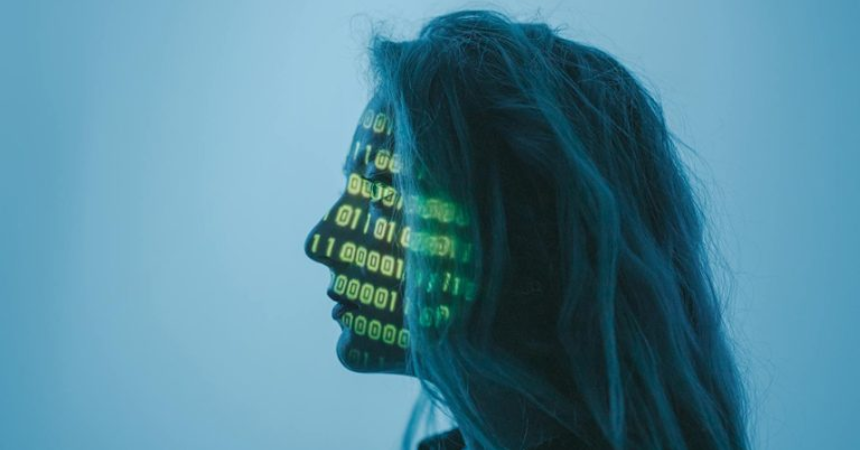
Artificial Intelligence has rapidly become a transformative force across many sectors, and the creative industries are no exception. Traditionally, creativity was seen as a uniquely human ability rooted in imagination, emotion, and personal expression. However, advances in AI technology have challenged this notion by enabling machines to generate art, music, writing, design, and visual content. The growing presence of AI in creative fields is reshaping how creative work is produced, distributed, and valued in the modern world.
In the visual arts and design industry, AI-powered tools are changing the creative process by assisting artists and designers in generating ideas and refining their work. Algorithms trained on vast datasets can create images, illustrations, and layouts that inspire new artistic directions. Designers increasingly use AI to speed up repetitive tasks, explore multiple design variations, and enhance visual quality. This collaboration between human creativity and machine intelligence allows creators to focus more on conceptual thinking and storytelling.
The music industry has also experienced significant influence from AI technology. AI systems can analyze musical patterns, generate compositions, and assist in sound design. These tools are being used by musicians and producers to experiment with new styles and melodies. While AI-generated music raises questions about originality, it also provides opportunities for innovation by blending traditional musical knowledge with advanced computational techniques.